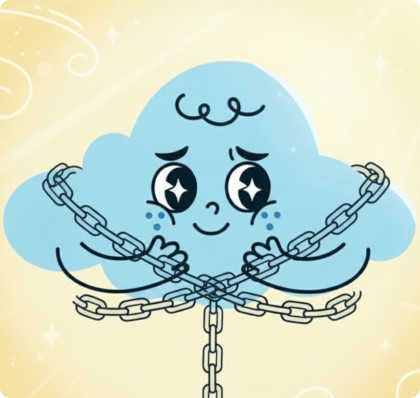
At some point in life, almost everyone experiences moments where progress feels blocked, not by circumstances, but by their own actions or thoughts. You may delay decisions, avoid opportunities, or question yourself more than necessary. This isn’t a personal failure. It’s a human response to uncertainty, pressure, and emotional overload.
Understanding these patterns is an important step toward stronger emotional wellbeing and more intentional living.
What It Means to Get in Your Own Way
Getting in your own way often shows up as behaviours that conflict with what you actually want. You may desire growth, confidence, or stability, yet your actions move in the opposite direction.
This happens because the mind is wired to prioritise comfort and familiarity. When something feels emotionally risky, even if it’s positive, your instincts may push you to retreat. The result is hesitation, overthinking, or self-doubt that quietly limits progress.
Common Self-Blocking Patterns
These behaviours are especially common among high-achieving individuals and professionals:
- Procrastinating on important goals
- Over-preparing instead of taking action
- Avoiding conversations or decisions that feel uncomfortable
- Being overly critical of yourself despite external success
- Downplaying achievements or fearing visibility
While these patterns may feel frustrating, they are often coping mechanisms developed over time.
Why Awareness Matters for Emotional Wellbeing
The most meaningful change begins with awareness. When you notice your patterns without judgment, you create space to respond differently.
Instead of asking, “Why do I always do this?”
Try asking, “What emotion is influencing this choice right now?”
This shift supports emotional wellbeing by reducing self-blame and encouraging clarity. Awareness turns automatic reactions into conscious decisions.
How to Stop Working Against Yourself
Building healthier patterns doesn’t require drastic change. Small, consistent actions can have a lasting impact.
Practice supportive self-talk
Your internal dialogue shapes how safe it feels to try, fail, and grow. Replacing harsh self-criticism with balanced, encouraging language improves emotional resilience over time.
Focus on progress, not perfection
Perfection often delays action. Progress, even when imperfect, builds momentum and confidence.
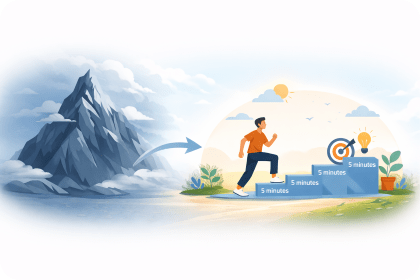
Take smaller, intentional steps
Breaking goals into manageable actions reduces emotional resistance and makes consistency easier.
Question limiting beliefs
Not every thought is a fact. When doubt appears, pause and assess whether it’s helping or holding you back.
Growth Looks Different for Everyone
There is no single timeline for personal growth. Some days you’ll move forward with confidence. Other days, old habits may resurface. This doesn’t mean you’re failing, it means you’re learning.
Emotional wellbeing is built through patience, self-awareness, and compassion. The goal isn’t to eliminate discomfort, but to move through it with greater understanding and control.
Choosing to Be on Your Own Side
You don’t need to change who you are to live more fully. You need to stop seeing yourself as the obstacle.
When you replace self-resistance with self-support, you create space for clarity, confidence, and sustainable growth. And that shift, subtle as it may seem, can change everything.