Gen Z isn’t just the most digitally connected generation — it’s also the most emotionally aware. From viral TikTok videos about therapy to deeply personal Instagram stories, today’s youth are not shying away from conversations about emotional wellbeing. In fact, they’re leading them.
The Shift Towards Openness
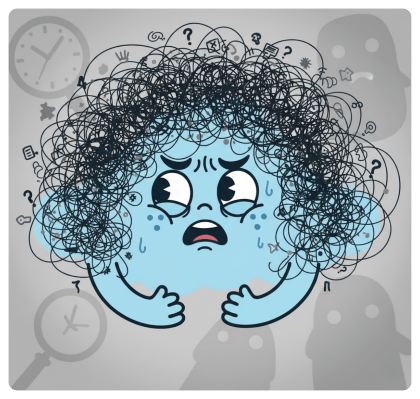
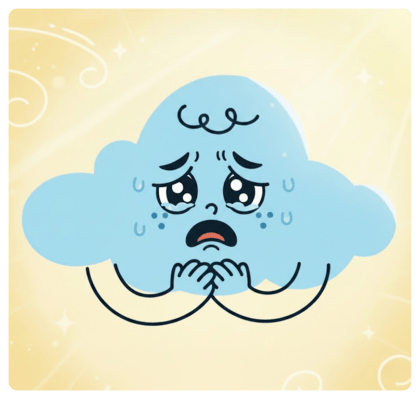
Unlike previous generations, Gen Z has embraced vulnerability as a strength. They talk openly about anxiety, depression, burnout, and emotional exhaustion — topics that were once taboo. A study by the American Psychological Association revealed that Gen Z reports the highest levels of stress but is also the most likely to seek help.
Digital Influence and Burnout
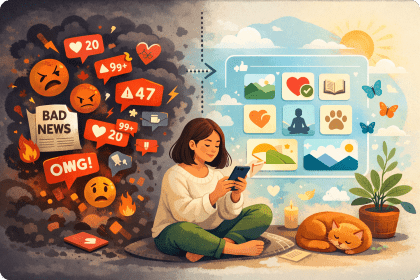
Growing up with 24/7 internet access, Gen Z navigates the highs and lows of constant connection. While digital spaces have offered safe havens for support and solidarity, they’ve also amplified issues like doomscrolling, comparison fatigue, and digital burnout. Striking a balance between being informed and being overwhelmed is a daily challenge.
Community is the New Cure
Gone are the days of suffering in silence. Gen Z thrives on community — whether it’s through Discord servers, Twitter threads, or safe-space circles in universities. They are building a world where emotional expression is normalized and mental resilience is shared, not endured alone.
Closing Thoughts
The Gen Z mental health movement is not a trend — it’s a revolution. By bringing vulnerability into everyday conversations, they are not just healing themselves; they’re changing society’s relationship with emotional wellbeing.