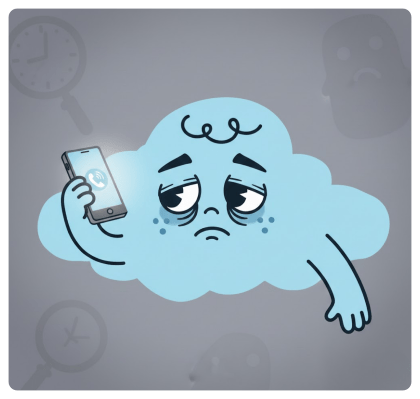
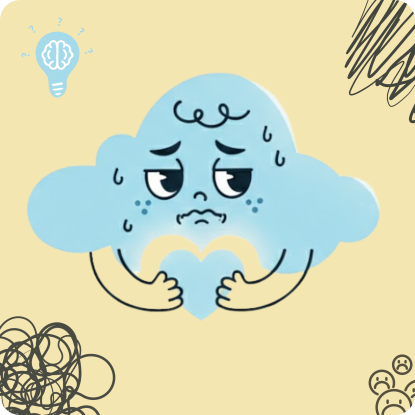
Stress is a natural part of life. Deadlines, responsibilities, expectations, and constant connectivity all place demands on our time and energy. In moderation, stress can be motivating. But when it becomes chronic and unmanaged, it starts to erode emotional wellbeing.
Across fast-paced environments, many people experience persistent stress without realizing how deeply it affects their emotional balance, productivity, and relationships.
Managing stress does not mean eliminating challenges. It means building emotional tools that help you respond with clarity, resilience, and control without reaching the point of burnout.
This guide explores practical, evidence-based ways to manage stress while protecting your emotional wellbeing.
1. Understand the Difference Between Stress and Burnout
Stress is typically short-term and situational. Burnout develops when stress becomes prolonged and unresolved.
Common signs of unmanaged stress include:
- Constant tension or irritability
- Difficulty concentrating
- Feeling emotionally drained
- Trouble sleeping
Burnout often appears as emotional exhaustion, detachment, and a loss of motivation.
Recognizing early stress signals allows you to take action before burnout sets in, making emotional wellbeing a proactive practice rather than a reactive one.
2. Regulate Stress Through Your Nervous System
One of the fastest ways to manage stress is by calming the nervous system.
Simple techniques such as slow breathing, gentle stretching, and pausing before reacting help signal safety to the body. When the nervous system is regulated, emotional responses become more balanced and less reactive.
These practices are especially helpful during high-pressure moments at work or in personal life.
3. Create Clear Boundaries Between Work and Rest
Blurred boundaries are one of the leading contributors to emotional overload.
Without intentional separation, the mind remains in a constant state of alertness even during rest time. Creating boundaries may include defining work hours, avoiding emails late at night, and taking proper lunch breaks.
Boundaries protect emotional energy and help prevent stress from affecting every part of life.
4. Use Micro-Breaks to Prevent Emotional Overload
Many people believe breaks reduce productivity. In reality, regular breaks improve focus and emotional regulation.
Micro-breaks are short pauses throughout the day that help reset attention and reduce stress accumulation. Even five minutes away from a screen can restore emotional balance.
Breaks should be seen as maintenance for emotional wellbeing, not a reward for finishing tasks.
5. Reduce Cognitive Overload
Stress often increases when the mind holds too many unfinished tasks at once.
To reduce cognitive overload:
- Write tasks down instead of tracking them mentally
- Prioritize what truly matters
- Break large tasks into smaller steps
Externalizing mental clutter creates emotional clarity and reduces overwhelm.
6. Strengthen Emotional Awareness
Emotional awareness helps you notice stress before it escalates.
By identifying how stress shows up in your body or behavior, such as tight shoulders or racing thoughts, you gain the ability to intervene early.
Journaling, reflection, or brief emotional check-ins help build awareness and support long-term emotional wellbeing.
7. Protect Your Sleep to Support Stress Recovery
Sleep plays a critical role in stress regulation.
When sleep is compromised, emotional resilience decreases, making stress harder to manage. Prioritizing sleep hygiene through consistent routines, reduced screen exposure, and calming evening rituals supports emotional recovery.
A well-rested mind is better equipped to manage daily stressors.
8. Practice Self-Compassion Under Pressure
Many people respond to stress with self-criticism, believing they should handle everything better.
Self-compassion means treating yourself with the same understanding you would offer others. This reduces emotional strain and improves coping capacity.
Acknowledging limits does not mean giving up. It means supporting emotional wellbeing through realistic expectations.
9. Stay Connected During Stressful Periods
Stress often leads people to withdraw, yet connection is one of the strongest buffers against emotional strain.
Sharing experiences with trusted individuals provides perspective, emotional validation, and relief. Even brief conversations can help regulate stress and restore emotional balance.
Connection reminds us that managing stress does not have to be a solo effort.
10. Reframe Stress as a Signal, Not a Failure
Stress is not a sign of weakness. It is information.
Stress signals that something needs adjustment, whether it is workload, boundaries, expectations, or rest. When stress is viewed as feedback rather than failure, it becomes easier to respond constructively.
This mindset shift supports sustainable emotional wellbeing and helps prevent burnout cycles.
Managing stress is not about doing more. It is about doing things differently.
By building awareness, setting boundaries, prioritizing rest, and responding to stress intentionally, you protect your emotional wellbeing and reduce the risk of burnout.
Small, consistent changes create emotional resilience and allow you to navigate challenges with clarity rather than exhaustion.