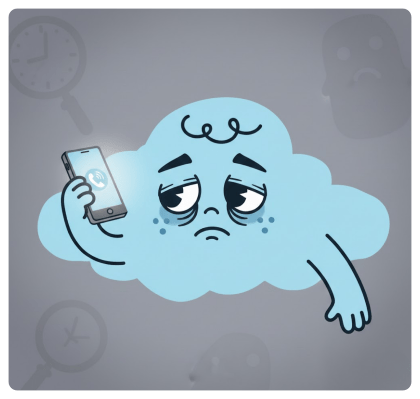

It’s 2 a.m.
You are lying in bed, scrolling your phone when a tiny thought hits, one of those small worries that quietly feed overthinking late at night: Did I reply to that email right? What if I said something wrong at lunch? You tell yourself to relax, but the worry lingers.
That… right there, is a micro-anxiety.
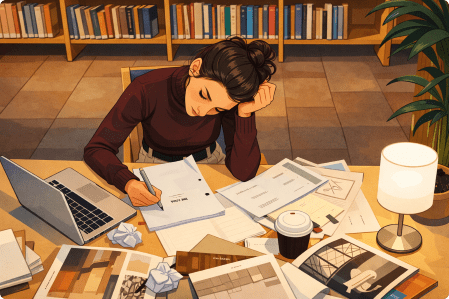
Small, almost laughable if you said it out loud. Yet somehow, it can steal your calm, your sleep and even your focus.
Micro-anxieties are the little whispers of worry we usually ignore, everyday stressors that don’t feel serious enough to address, yet slowly contribute to emotional overwhelm.. The impromptu social event that makes your stomach twist, the tiny doubts about choices you have already made and the endless “what ifs” that pop into your head uninvited.
They are not the dramatic crises you read about in self help books. They are smaller but cumulative and they matter, more than we often think.
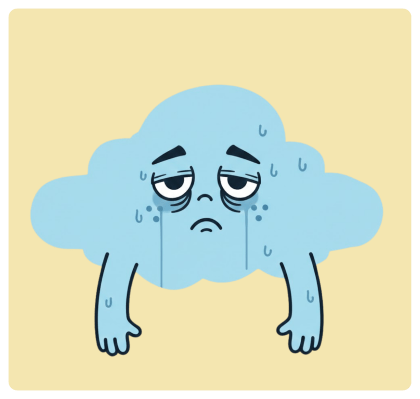
Emotional energy isn’t infinite. Each tiny worry steals a sliver of attention. One fleeting panic about being late seems harmless. Stack ten more on top of it, and suddenly your mind feels heavy, your patience thinner. It’s like carrying a backpack full of pebbles, one pebble barely matters, but imagine carrying a hundred?
The sneaky part is how normalized everyday anxiety and small stressors have become, “Everyone worries about small stuff,” we tell ourselves, true, but ignoring them doesn’t make them vanish. They show up in restless nights and tense shoulders or in subtle avoidance like declining that last minute invite or hesitating to speak up or shying away from small risks.
Acknowledging micro-anxieties doesn’t mean overthinking. It means noticing them without judgment.
Pause and name it. “Ah, that’s the ‘I hope I didn’t offend anyone’ worry again.”
That tiny act of recognizing rather than suppressing, stops the pebble from becoming a boulder.
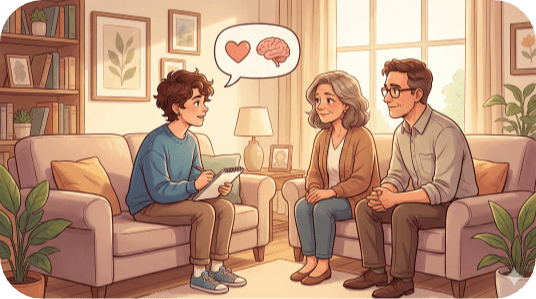
Sometimes, talking about them helps, too. Sharing overthinking habits with a friend can make those 2 a.m spirals feel less isolating and micro-anxieties often reveal what matters most.
The nervous flutter before a social event? Maybe growth, The guilt over a missed message? A quiet reminder of your values. They are not enemies, they are subtle guides. Micro-anxieties often point to what matters, revealing values, boundaries, and areas of growth we might otherwise overlook.
So how do we handle them? Don’t ignore them.
Give yourself small rituals of journaling, breathing or a short walk.
Micro-anxieties are like background music in the movie of your life. Sometimes faint, sometimes annoying, always influencing the scene. Recognize them, understand them, maybe even laugh at them. Tiny acts of attention lighten the load.
Next time a worry creeps in at 2 a.m., nod, smile, and let it pass. Those tiny pebbles don’t define you….but how you respond to them does. Learning to notice micro-anxieties without judgment is part of building sustainable emotional wellbeing.
Your small worries are louder than you think, catch them before they catch you.