
In this article
What you’ll learn
- Why you can feel mentally tired even when nothing is wrong
- Why your brain feels like it’s always ‘on’
- How overthinking quietly affects you
- How to stop replaying conversations and clear mental clutter
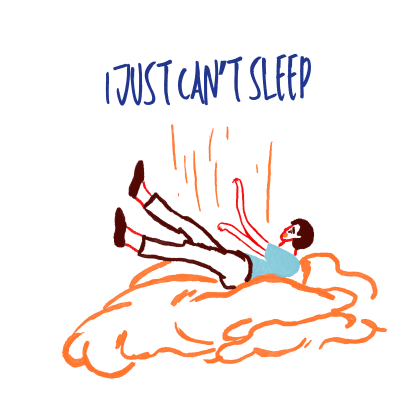
You’re lying in bed, scrolling through your phone, ready to sleep, and then suddenly, a thought appears. Something small. Maybe it’s a message you sent earlier or something you said in passing. And now you’re thinking… Did that sound weird? Did I say too much? Should I have said something else?
It’s such a tiny thing, so why does it feel so heavy?
If this sounds familiar, you’re not alone. It’s part of what people are starting to call the anxious generation, where worry doesn’t always shout… it just never really leaves. While anxiety is often associated with major life challenges or visible distress, it frequently exists in a much subtler form. These small, persistent worries may not seem significant on their own, but over time, they accumulate and begin to affect your emotional and mental wellbeing in numerous ways.
Let’s talk about it. If you’ve been wondering why you feel anxious over nothing, you’re part of a growing wave of people experiencing this exact thing.
Why Do I Feel Mentally Tired for No Reason?
Let’s pause for a second. What is that feeling, really? Is it just overthinking, or is there something deeper going on? You might not even label it as stress. It might just feel
I like:
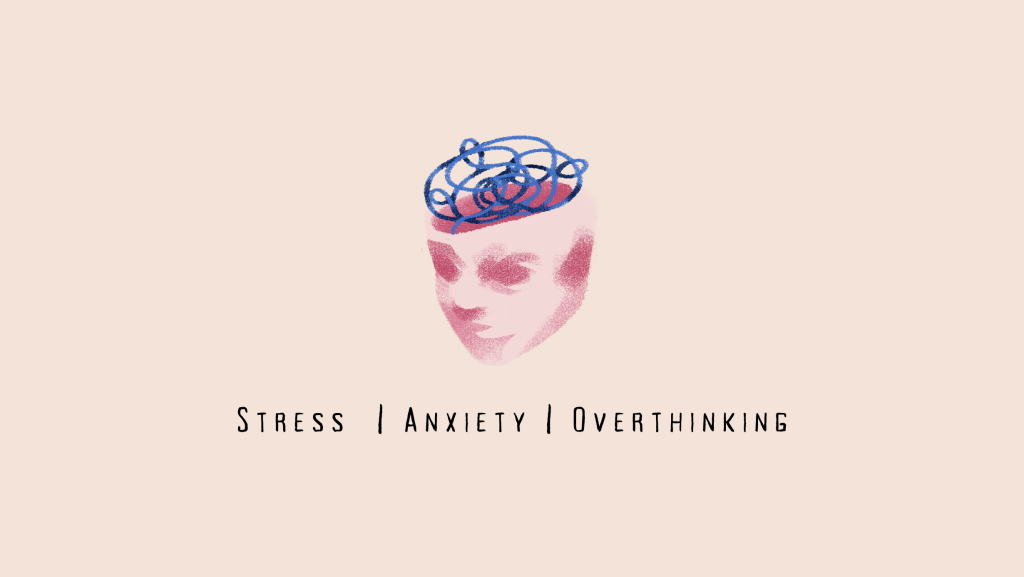
Your mind is always “on”
You replay conversations more than you’d like
You delay replying because you want to get it just right
You feel tired… but not physically
And here’s something most people don’t realize: over time, this constant mental activity can even contribute to oxidative stress, which is your body’s way of reacting to prolonged pressure. In simple terms, your mind being busy all the time doesn’t just stay in your head… it affects your whole system.
So no, it’s not “nothing.” It just looks like nothing.
Why Is My Brain Always ‘On’?
Now think about your average day. How many times do you check your phone? How often are you switching between apps, conversations, and thoughts? How many things do you leave unfinished?
Your brain is constantly processing, reacting, adjusting. It never really gets to pause. That’s a big reason why so many people end up feeling chronic stress. It’s not that people today are weaker, it’s that the environment is louder, faster, and more demanding than ever before.
How Overthinking Affects You
Have you ever felt tired at the end of the day and thought, “I didn’t even do that much”? That’s the weight of all those small thoughts adding up. They don’t seem important individually, but together, they take up space, your focus, your energy, even your confidence.
Read More: Why We Feel Emotionally Heavy Without Realizing It
How to Stop Replaying Conversations and Clear Mental Clutter
Not by trying to stop thinking completely. That never works. Instead, it starts with changing how you respond to those thoughts. For example, the next time you catch yourself spiraling, try asking: “What exactly am I worried about right now?” Just putting it into words can make it feel smaller.
Another question that helps: “Is this something I need to act on, or just something my mind is replaying?” You’d be surprised how often it’s the second one. It also helps to close small loops quickly. If you’ve been putting off replying to a message or making a simple decision, just do it. The longer it stays in your head, the heavier it feels.
And then there’s the most underrated thing, getting your thoughts out of your head. Have you ever noticed how much clearer things feel after you write them down? You don’t need to write anything perfect, just be honest. When you journal, instead of carrying your emotions the whole day, you release them, understand your patterns, and reduce overthinking. Over time, it creates space in your mind that you didn’t even realize you needed.
A Small Thought To Leave You With
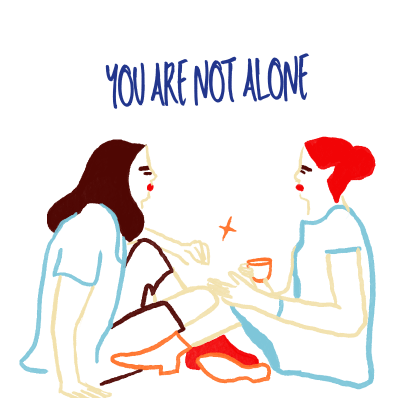
If your mind feels overwhelming sometimes, remember you’re not alone. More people experience this than you think, even if they don’t always talk about it. But you don’t have to carry all of it by yourself. Not every thought needs your attention, and not every worry deserves to stay. Sometimes, simply noticing what’s happening in your mind can already make it feel a little lighter.
If you’ve been feeling stuck in your thoughts lately, try writing your thoughts down. Download Simpli Human on the Google Play Store or the Apple App Store to gently track your emotions, clear mental clutter, and manage anxiety in a way that actually feels manageable.
FAQs
Anxiety can occur even when there is no immediate threat or obvious trigger. Everyday pressures, uncertainty and other factors may contribute, but there may not be one clear explanation. The feeling is real even when you cannot identify its cause.
Anxiety can occur alongside fatigue, poor concentration and disrupted sleep. A quiet day does not necessarily mean your mind has felt rested. Tiredness also has other possible causes, so persistent or unusual exhaustion is worth discussing with a healthcare professional.
You can start with how you feel right now. Breathe gently without forcing it, notice your feet on the floor and focus on nearby sights or sounds. Choose one manageable next step, such as talking to someone you trust. You do not have to solve the cause before asking for support.
Keep brief notes about when anxiety appears, what you were doing, how you slept and what helped. Simpli Human’s mood check-ins and journal can help you record these observations. Review them occasionally rather than checking every sensation. Notes can support a conversation with a clinician, but they cannot establish a diagnosis.
Not necessarily. Occasional anxiety is common. An anxiety disorder involves a pattern of symptoms that a professional assesses, including how persistent or difficult to manage they are and how they affect daily life. An unclear trigger alone does not establish a diagnosis.
Speak to a doctor if anxiety is new, keeps returning, feels difficult to manage or affects sleep, work, school or relationships. A clinician can ask about symptoms and check for physical factors that may contribute. You can seek help without knowing why the anxiety started.