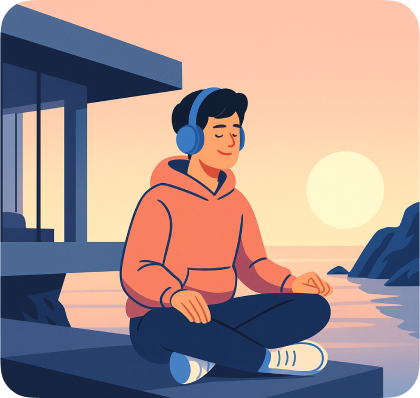
Gen Z isn’t just the most digitally connected generation — it’s also the most emotionally aware. From viral TikTok videos about therapy to deeply personal Instagram stories, today’s youth are not shying away from conversations about emotional wellbeing. In fact, they’re leading them.
Gen Z Mental Health: Why Online Community Matters
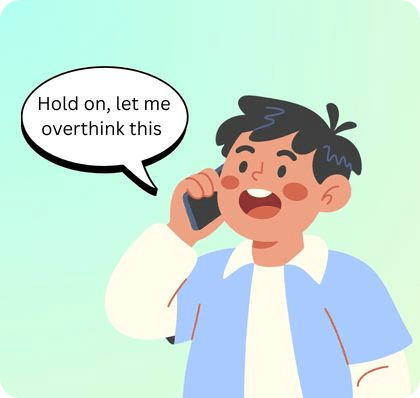
Gen Z didn’t just grow up online — they grew up narrating their emotions online. Therapy talk, burnout confessions, and anxiety memes show up in Gen Z’s feeds as casually as vacation photos once did for Millennials. But underneath that openness is something more structural: Gen Z has built entire support systems out of digital spaces, and that shift is reshaping what mental health support looks like for an entire generation
Why Gen Z Talks About Mental Health So Openly
Older generations were taught to keep struggles private. Gen Z was raised in the opposite environment: one where sharing a hard day is as normal as sharing a meme. Reduced stigma plays a huge role here: researchers estimate Gen Z is about 20% more willing to discuss mental health openly than older generations, and much of that shift traces back to growing up with constant access to other people’s stories — strangers, influencers, and friends alike modeling openness instead of silence.
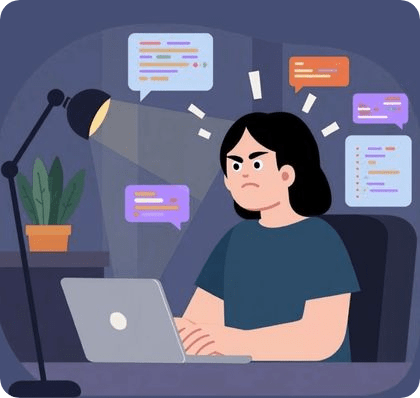
The Cost of Constant Connection: Digital Burnout
- Doomscrolling — compulsively consuming distressing news or content long after it stops being useful to know
- Comparison fatigue — the exhaustion that comes from constantly measuring your life against curated highlight reels
Community Over Isolation
The Bigger Shift
FAQs
Gen Z grew up watching people online normalize struggles instead of hiding them, so speaking up feels natural rather than risky — it’s simply how they were taught to process things.
It’s the mental exhaustion that builds up from constant screen exposure — notifications, feeds, and content that never really stop, leaving you drained even when nothing “bad” happened.
It’s a mixed bag — it connects people to support and community, but it can also fuel comparison and burnout. The impact usually depends on how it’s used, not just how much.
It’s the tiredness that comes from constantly measuring your own life against other people’s curated online highlights — a background stress most people don’t notice until it adds up.