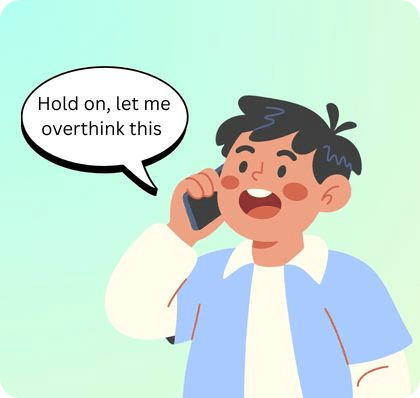

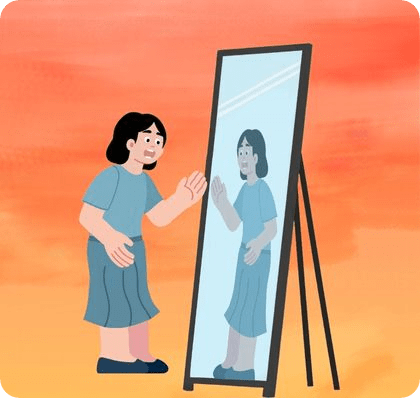
Lately, it feels like every feeling comes with a diagnosis. In a world increasingly focused on emotional wellbeing, even everyday emotions are being labeled, analyzed, and explained away. A bad day turns into something clinical, a quiet moment becomes a symptom, and a personality trait gets upgraded into a disorder, as if ordinary human experiences aren’t valid unless they have a name we can pin to them.
Why does every feeling need a diagnosis now?
But most days, we are not unwell!
We are just human, moving through moods, phases, reactions, and seasons that were never meant to be permanent.
There’s something oddly comforting about naming things. Labeling emotions can make them feel contained, manageable, and explainable, especially in a culture that values clarity over complexity. They give shape to the mess. But sometimes, in trying to understand ourselves, we rush too quickly to medical language for moments that are simply emotional.
When is sadness just sadness, not depression?
Sadness doesn’t always mean something is wrong, and silence isn’t always a shutdown.
And being deeply interested in something doesn’t mean your brain is wired incorrectly.
Sometimes you are just tired or overstimulated, and you are quietly processing more than you can say out loud. And that deserves softness.
Emotional wellbeing language exists to help people who need deep care, support, and accommodation. It’s meant to open doors, not flatten experiences into catchphrases. When we treat it lightly, we risk forgetting that these words come from real lives, from people learning how to function in a world that doesn’t always meet them halfway.
Do you need a label to justify your feelings?
Not every feeling is a symptom, but here’s the gentler truth we don’t hear enough:
- You don’t need to be unwell to deserve rest!
- You don’t need a label to justify your feelings!
- And you certainly don’t need a diagnosis to ask for understanding!
Sometimes wellness looks like letting emotions pass without interrogating them. That could mean letting yourself be quiet without explaining why or letting hope exist, even if it feels embarrassing or unrealistic.
Not every experience is a sign. Not every moment needs to be named.
Some feelings are just feelings, meant to be felt, not analyzed. Allowing space for emotional awareness without labels can be a quiet form of care.
And maybe that’s part of caring for your mind, allowing it to exist as it is, without constantly asking it to prove its pain.
Some days you just need a space that doesn’t ask you to explain yourself. That’s what Simpli Human is for — track your moods, journal without judgment, and connect with people who get it. No diagnosis required. [Download Simpli Human →]
- No labels.
- No dramatizing.
- No minimizing.
Just a little more room to be human!
Disclaimer: “This isn’t clinical advice — just a reminder that not every emotion needs a name.”
FAQs
Social media and mental health awareness have made labels more visible — which is good — but it’s also made us quick to slap a clinical name on normal ups and downs
Yes. Feelings don’t always need an explanation to be valid. Sometimes you’re just tired, overstimulated, or having an off day — and that’s enough of a reason on its own
No. Sadness is a normal human emotion that comes and goes. Depression is a clinical condition with its own set of criteria. One doesn’t automatically mean the other.
Not at all. You can ask for rest, care, or understanding without a label attached. Needing help is reason enough